There’s a particular kind of safari that puts you closer to the ground, literally, and this is it. Four days across three of Tanzania’s most storied landscapes, with two nights spent in a tented camp inside the parks themselves rather than behind lodge walls.
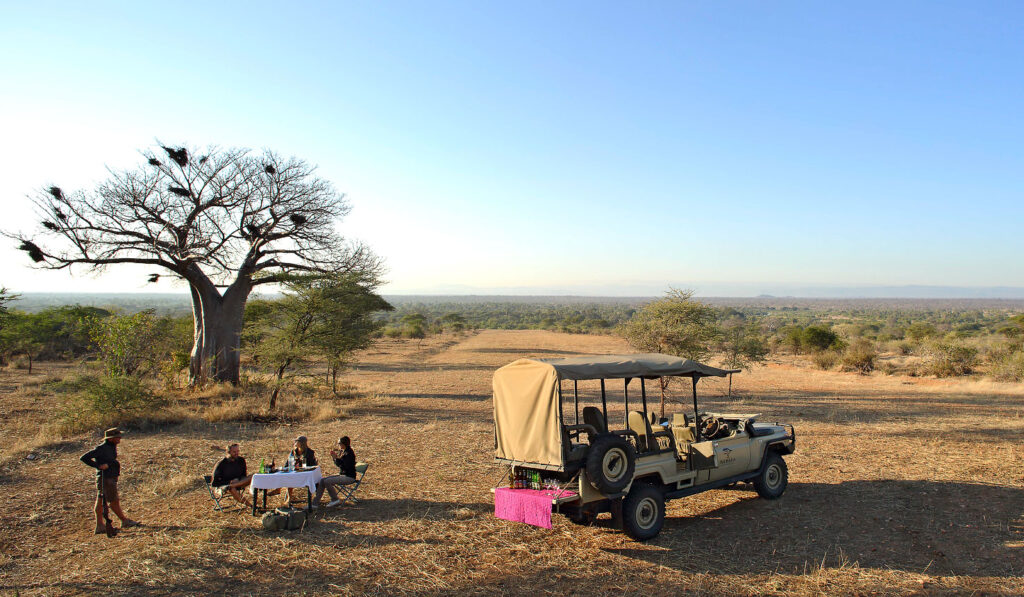
You begin in Tarangire National Park, at its best during the dry season from May to October, when it holds the greatest concentration of wildlife outside the Serengeti ecosystem itself, its baobab-studded savannah offering a genuine sense of solitude that busier parks rarely can. From there, the route climbs through Karatu and the Ngorongoro highlands before descending into the Serengeti’s endless plains, settling in the Seronera area, one of the richest wildlife habitats in the entire park thanks to the year-round Seronera River. The journey closes with a full descent into the Ngorongoro Crater, a self-contained ecosystem holding some of Africa’s best remaining chances to see the black rhino, with an optional stop at Olduvai Gorge, the cradle of mankind, along the way.
A safari for travellers who want the same wildlife the luxury lodges see, without needing the walls of a lodge to see it from.
This itinerary suits travellers who want an authentic, closer-to-the-bush safari experience without sacrificing any of the northern circuit's headline wildlife, ideal for those comfortable with tented camping and drawn to the idea of sleeping inside the parks themselves. It's a strong fit for adventurous first-time visitors and repeat travellers alike, and the optional Olduvai Gorge stop adds real appeal for anyone with an interest in human origins alongside their wildlife sightings.
This route rewards travel during Tarangire's dry season, May through October, when its wildlife concentrations are at their most reliable, as well as January through March, when calving season activity picks up around the southern Serengeti and Ngorongoro highlands. Ngorongoro Crater itself performs consistently well throughout the year. Camping nights during the June to October peak can bring cold nights on the crater rim, worth a mention to guests packing for the trip.
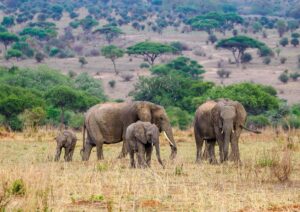
Pick-up from your hotel at 8:30am starts the drive to Tarangire National Park, packed lunch in hand, passing through the open plains south of Arusha town. Visit during the dry season, May to October, and Tarangire holds the greatest concentration of wildlife outside the Serengeti ecosystem, its southeastern wetlands supporting over 300 bird species. With considerably fewer visitors than Tanzania’s better-known parks, Tarangire’s rolling savannah, dotted with thousands of baobab and acacia trees, offers a genuine taste of African wilderness and solitude. A full day of game driving is followed by dinner and an overnight stay at Fig Big Tree Lodge.
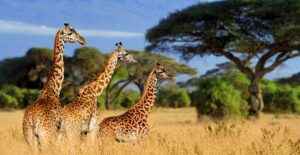
After breakfast, the route continues toward the Serengeti, passing through the high-lying farmland of Karatu and the Ngorongoro Conservation Area before descending into the heart of wild Africa itself, the Serengeti’s endless plains rolling into the distance as far as the eye can see. You’ll head to the Seronera area, one of the richest wildlife habitats in the park thanks to the Seronera River, a valuable year-round water source that draws a genuinely representative cross-section of the Serengeti’s species. Arrival is timed for lunch, followed by an afternoon game drive. Dinner and your overnight stay are at a public campsite, inside the park itself.
Game driving continues after breakfast through to lunchtime, before the route turns toward Ngorongoro for the night. En route, there’s a genuine opportunity to experience traditional Maasai life within the Ngorongoro Conservation Area, and travellers with a curiosity for human origins can opt to visit the famous Olduvai Gorge, known as the cradle of mankind. Dinner and your overnight stay are once again at a public campsite.
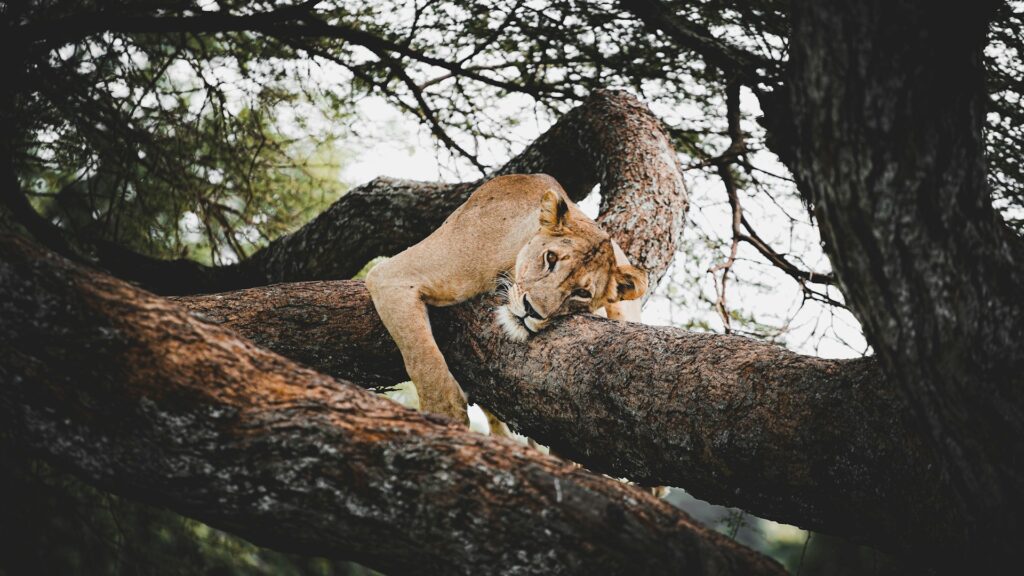
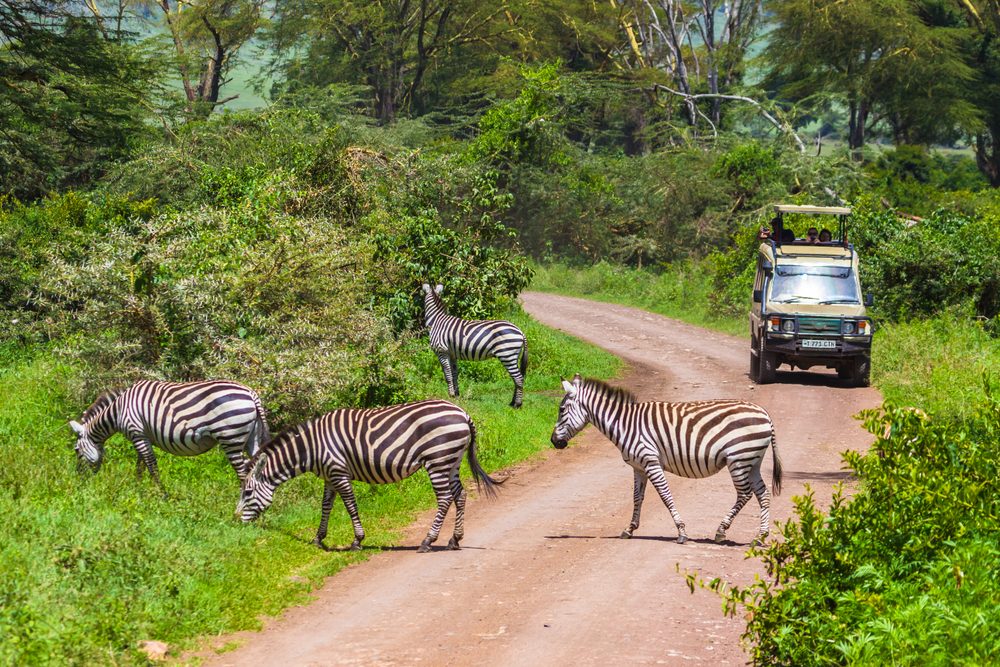
An early breakfast precedes the descent, over 600 metres down into the Ngorongoro Crater for a half-day game drive. Supported by a year-round water supply, the crater sustains an extraordinary range of wildlife, wildebeest, zebra, buffalo, eland, warthog, hippo and elephant among them, alongside a dense population of predators, lion, hyena, jackal, cheetah and the notoriously elusive leopard. This is also one of the most reliable parks anywhere in Africa for spotting black rhino. Lunch is taken at a picnic site inside the crater before the drive back to Arusha or the airport.
Pricing
Rates vary by season, with low season from $1,350 per person and peak season (June to October, and January to March) from approximately $1,750 to $2,000 per person. Final rates confirmed at time of booking.
Why travel with us
We keep group sizes intentionally small so every guest gets the attention, flexibility, and authenticity a safari deserves.
Our guides are born from the landscapes they lead. Decades of knowledge, sharp eyes, and a genuine passion for East African wildlife.
From comprehensive pre-trip briefings to 24-hour in-country support, your safety and comfort are always our first consideration.
Every safari we operate contributes to wildlife conservation and local community projects across Kenya, Tanzania, and Uganda.
You might also like
A 3-day fly-in luxury safari to the Serengeti and Ngorongoro Crater, with game drives across Tanzania's finest wildlife landscapes.
Embark on the ultimate Kenya Tanzania safari adventure combining five of Africa’s most legendary wildlife destinations in one unforgettable journey