This is a safari built for travellers who want Tanzania’s wildlife and its people in equal measure, and who don’t mind that it starts and ends within easy reach of Dar es Salaam rather than deep in the northern circuit.
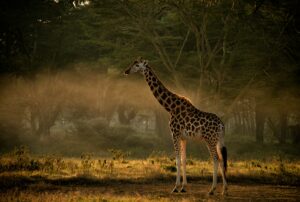
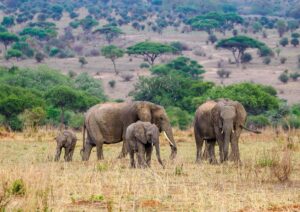
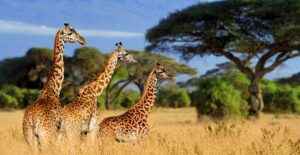
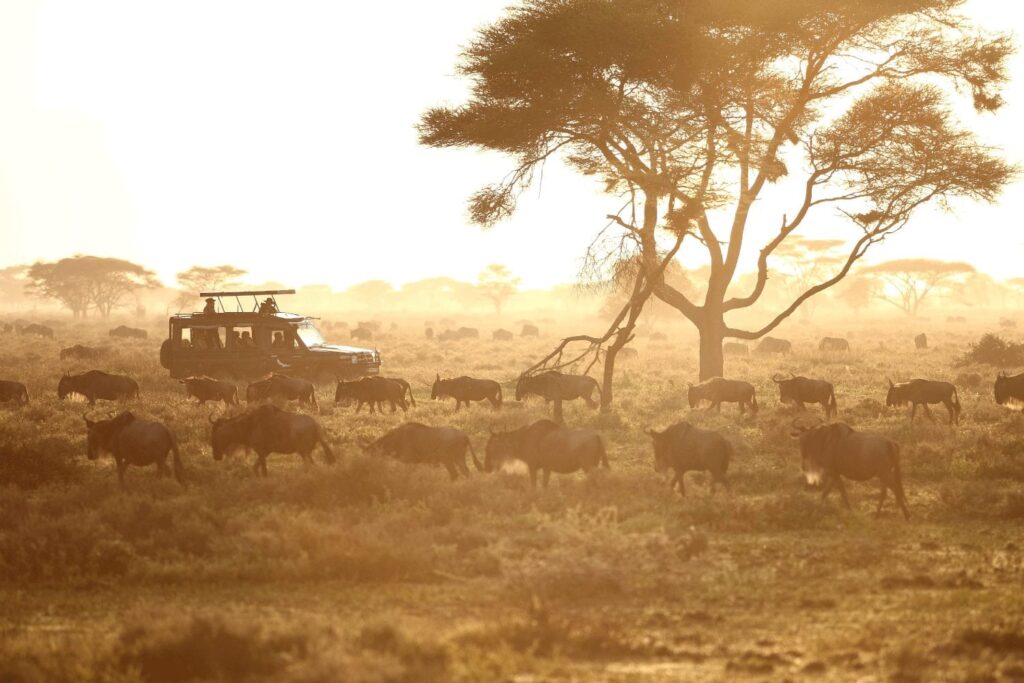
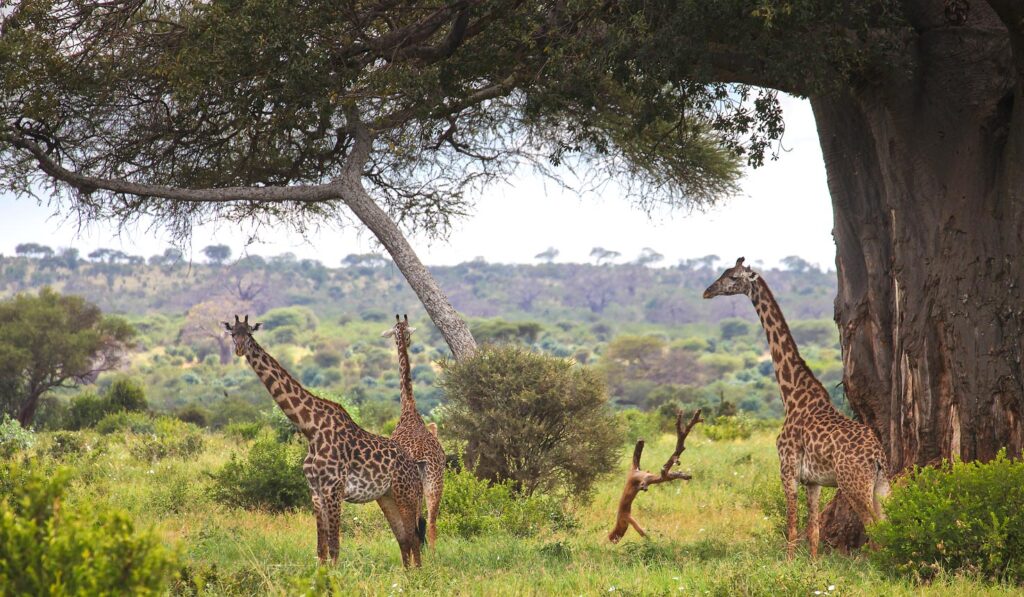
You begin with the drive to Mikumi National Park, a landscape of seasonal swamp and acacia-dotted savannah where elephant, buffalo, zebra, giraffe and wild dog gather across the Mkata flood plain, the Rubeho and Uluguru mountains rising in the distance. A visit to a Maasai boma on your first evening offers a genuine, guided introduction to one of Africa’s most recognisable tribes, their customs and way of life explained rather than simply observed. A full day of game driving follows before the journey turns inland to the Uluguru Mountains themselves, named for the Luguru people who call its slopes home, for a guided hike through villages and forest boundary alike.
A shorter, more varied safari than the classic northern circuit routes, one that spends as much time with Tanzania’s people and landscapes as it does with its wildlife.
This itinerary suits travellers based in or arriving through Dar es Salaam who want a genuine safari experience without the long transfer to the northern circuit, along with a meaningful cultural dimension most standard itineraries skip. It's especially well suited to those interested in the Maasai and Luguru peoples specifically, not just wildlife, and to travellers who enjoy an active day of hiking alongside their game drives.
Mikumi National Park is at its clearest for game viewing during the June to October dry season, when wildlife concentrates more predictably around the Mkata flood plain's remaining water sources. The Uluguru Mountains hike is enjoyable for most of the year but is particularly rewarding in the dry season and during January and February, when trail conditions are at their best.
An early pick-up from your hotel or the airport in Dar es Salaam begins the five to six hour drive to Mikumi, a short lunch taken along the way. After checking in at your camp, you’ll head out to a nearby village for a visit to a Maasai boma, an opportunity to learn the customs and way of life of one of Africa’s most well-known tribes directly from its people. Return to camp in the late evening to rest before a hot dinner and your first night’s stay.
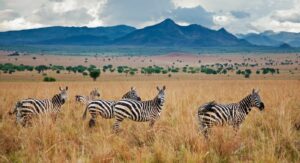
After an early breakfast, the day is dedicated entirely to game driving across Mikumi National Park’s considerable expanse, through to sunset. The Mkata flood plain is the park’s standout feature, drawing elephant, buffalo, zebra, giraffe, wild dog and impala in good numbers, alongside a rich variety of birdlife, all set against a landscape of savannah, acacia, baobab and tamarind, with the rock formations of the Rubeho and Uluguru mountains visible in the distance. Return to camp in the evening for a well-earned dinner.
Your guide collects you in the morning for the drive to the Uluguru Mountains, a range named for the Luguru people who call this landscape home. The main ridge rises to some 2,630 metres at its highest point, and over 150,000 people live across its slopes, many in villages that sit right at the forest boundary. The hike itself is a genuine highlight, part scenery, part encounter with daily village life along the trail, before you’re driven back to your hotel for the evening.
After breakfast, your driver guide collects you for the drive from Morogoro town back to Dar es Salaam, bringing this four-day safari to a close.
Pricing
Rates vary by season, with low season from $1,000 per person and peak season (June to October, and January to February) from approximately $1,300 to $1,450 per person. Final rates confirmed at time of booking.
Why travel with us
We keep group sizes intentionally small so every guest gets the attention, flexibility, and authenticity a safari deserves.
Our guides are born from the landscapes they lead. Decades of knowledge, sharp eyes, and a genuine passion for East African wildlife.
From comprehensive pre-trip briefings to 24-hour in-country support, your safety and comfort are always our first consideration.
Every safari we operate contributes to wildlife conservation and local community projects across Kenya, Tanzania, and Uganda.
You might also like
A 3-day luxury Tanzania safari through Tarangire's elephant herds, the Ngorongoro Crater's Big Five, and the culture and waterfalls of…
A 4-day classic Tanzania safari through Tarangire's elephant herds, the Serengeti's endless plains and the Ngorongoro Crater.