Five days, four of Tanzania’s most storied landscapes, and enough time in each to let them properly reveal themselves. This itinerary begins in Tarangire National Park, giant baobab trees and bush savannah giving way to seasonal marshes, and widely considered one of the best places anywhere to see elephant up close, buffalo, zebra and wildebeest close behind, trailed in turn by lion.
From there, the road climbs through cooler highlands toward the eastern Serengeti, a park of genuine scale and variety, short grass plains, thick bush, swamp and lake, dotted with the strange rock formations known as kopjes, and famous above all for its annual migration. Two nights follow in the Ngorongoro highlands, the first arriving at the crater rim for a genuinely breathtaking first view of the caldera below, the second spent descending over 600 metres into the crater itself, one of Africa’s densest concentrations of wildlife, before a stop at Lake Magadi’s flamingo-lined shallows. The journey closes at Lake Manyara, a small park famous for its tree-climbing lion and prolific birdlife, before the transfer to Arusha and the airport.
An unhurried, comprehensive introduction to Tanzania’s northern circuit, with real time given to each landscape rather than a rushed pass through all four.
This itinerary suits travellers who want the complete northern circuit experience, Tarangire's elephants, the Serengeti's migratory plains, a genuine two-night immersion in the Ngorongoro highlands, and Lake Manyara's tree-climbing lion, without feeling rushed through any single park. The extra Ngorongoro night in particular rewards travellers who want real time at altitude in the crater highlands rather than a single quick descent and departure.
This safari performs well across most of the year given Ngorongoro Crater and Lake Manyara's consistent game viewing, but June to October and January to March remain the strongest windows, covering the dry season peak and the southern Serengeti's calving season respectively. The two-night stay in the Ngorongoro highlands is worth noting for guests packing for the trip, nights here can be genuinely cold regardless of season, given the altitude.
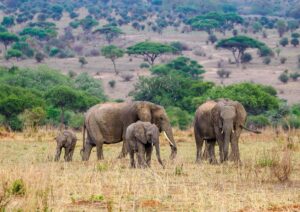
After a morning safari briefing and an approximately two-hour drive, you’ll arrive at Tarangire National Park. Giant baobab trees, bush savannah and seasonal marshes add to the wonder of this reserve, widely considered one of the best places anywhere to view elephant up close. The park is also home to buffalo, zebra and wildebeest, closely followed by predators such as lion, with leopard occasionally spotted, though cheetah are rarely seen here. From the open roof of your safari jeep, you’ll take in the full landscape as it unfolds. In the late afternoon, you’ll leave the park and drive to Crater Rim View Inn for the night.
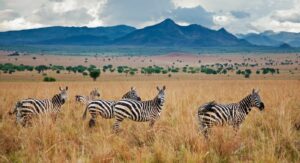
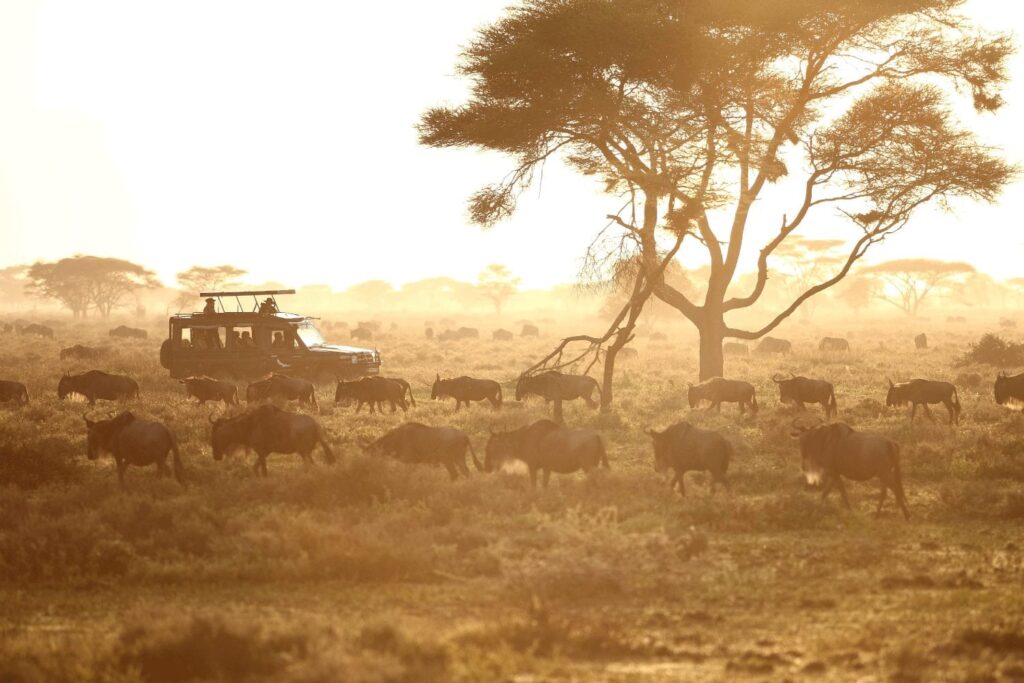
After breakfast, you’ll travel via the cooler highlands toward the eastern Serengeti, reaching the park’s plains by midday. Tanzania’s largest park holds a genuine diversity of habitats and landscapes, short grass plains, savannah, thick bush, swamp and lake, with the distinctive rock formations known as kopjes dotting the grassy terrain. Predators are frequently seen here, and the Serengeti is world famous for its annual migration, when hundreds of thousands of wildebeest and zebra move in search of fresh grass and water. You’ll spend the night at Tukaone Serengeti Camp, inside the park itself.
This morning, game drives continue across the Serengeti before you depart at midday for the Ngorongoro Conservation Area. As soon as you reach the crater’s edge, the giant caldera reveals itself below, a genuinely breathtaking view. You’ll spend the night at Ngorongoro Wild Camp.
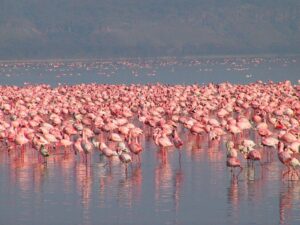
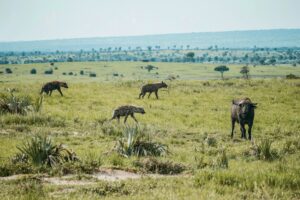
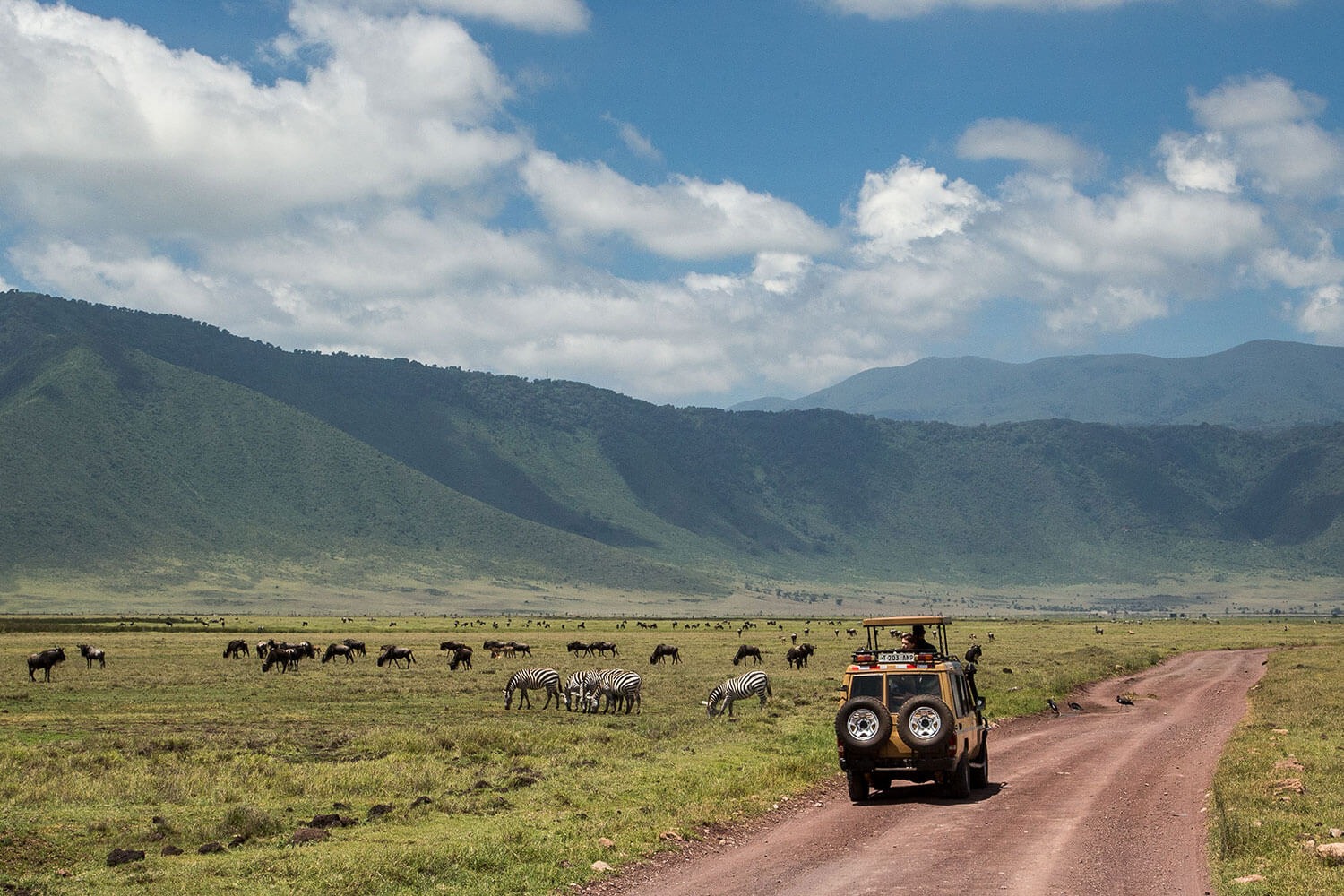
After an early breakfast, you’ll descend over 600 metres into the crater to view its wildlife. Supported by a year-round water and food supply, the Ngorongoro Conservation Area holds a vast array of animals, wildebeest, zebra, buffalo, eland, warthog, hippo and elephant among them, alongside a dense population of predators, lion, hyena, jackal, cheetah and the notoriously elusive leopard, which sometimes takes a trained eye to spot. You’ll visit Lake Magadi, a large but shallow alkaline lake in the crater’s southwestern corner, where flamingo, hippo and other water birds are usually in good number. In the late afternoon, you’ll transfer to the lodge for dinner and your second night in the Ngorongoro area.
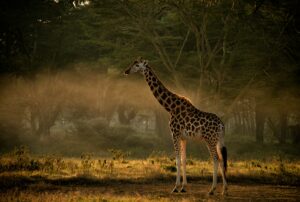
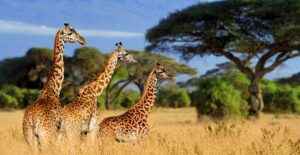
Lake Manyara National Park is dominated by the lake of the same name, which draws large colonies of water birds, pink-hued flamingo especially, alongside cormorant, pelican and stork. The park is equally well known for its tree-climbing lion, and over the course of your game drive you’ll also encounter elephant, zebra, giraffe, buffalo and hippo, among plenty of other species. After the game drive, you’ll head to Arusha and the airport, bringing the safari to a close.
Pricing
Rates vary by season, with low season from $2,300 per person and peak season (June to October, and January to March) from approximately $3,000 to $3,300 per person. Final rates confirmed at time of booking.
Why travel with us
We keep group sizes intentionally small so every guest gets the attention, flexibility, and authenticity a safari deserves.
Our guides are born from the landscapes they lead. Decades of knowledge, sharp eyes, and a genuine passion for East African wildlife.
From comprehensive pre-trip briefings to 24-hour in-country support, your safety and comfort are always our first consideration.
Every safari we operate contributes to wildlife conservation and local community projects across Kenya, Tanzania, and Uganda.
You might also like
A 3-day luxury Tanzania safari through Tarangire's elephant herds, the Ngorongoro Crater's Big Five, and the culture and waterfalls of…
A 5-day luxury northern Tanzania safari through Tarangire's elephants, the Ngorongoro Crater and Lake Manyara's tree-climbing lions.
A 4-day Tanzania camping safari through Tarangire, the Serengeti's Seronera plains and the Ngorongoro Crater, with Olduvai Gorge en route.