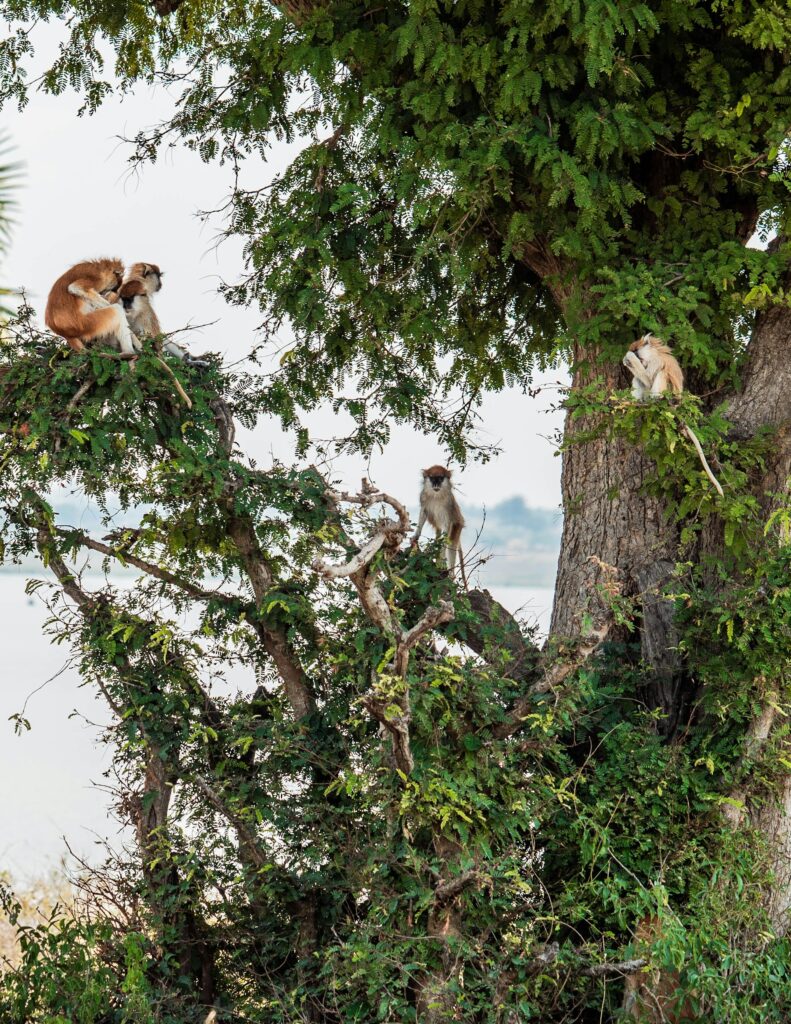
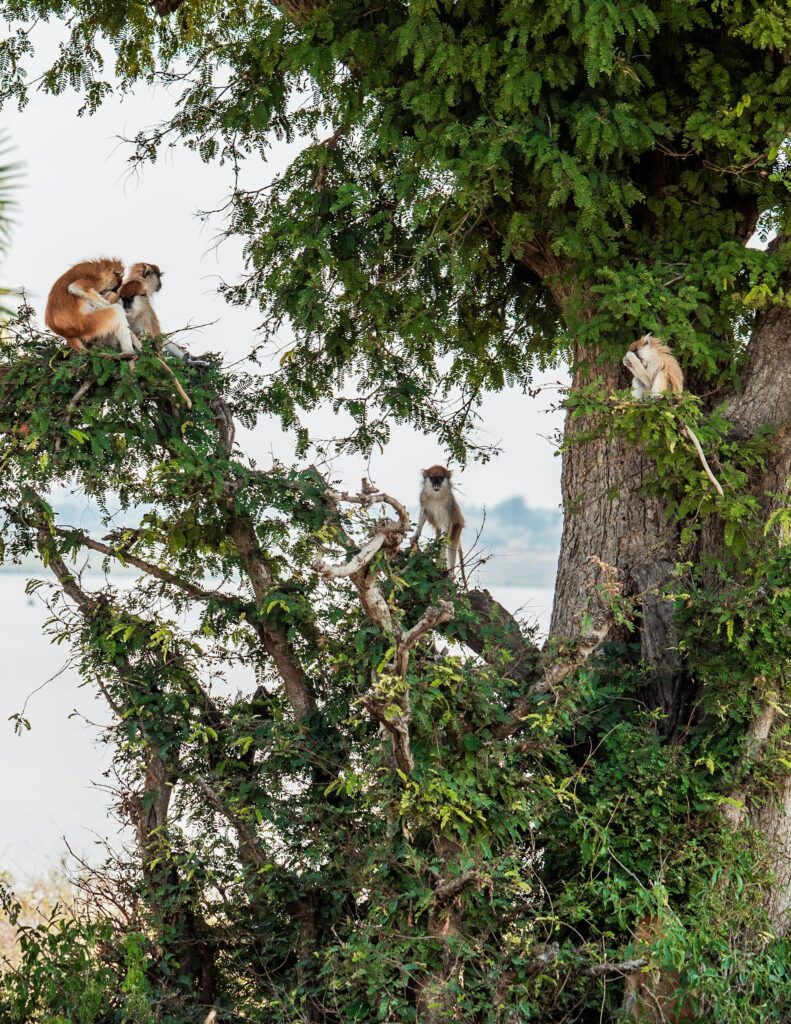
Kidepo Valley National Park sits in Uganda’s furthest northeastern corner, hard against the South Sudan border, and it rewards exactly the kind of traveller willing to make the journey. This is Uganda’s most remote park, and arguably its most rewarding for anyone who values solitude over convenience.
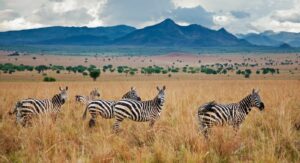
The road north from Kampala is a genuine part of the experience, through Luweero and the wide, sparsely populated grasslands of Nakasongola district, into Gulu and finally the park itself. Once inside, Kidepo delivers wildlife found nowhere else in Uganda, cheetah, caracal, aardwolf, greater and lesser kudu, Guenther’s dik-dik and klipspringer alongside lion, elephant, giraffe and buffalo, all set against a landscape that feels genuinely untouched. An afternoon spent with the Karamojong people, learning how they live, relate and socialise, adds a cultural dimension that regularly becomes the trip’s most memorable day, before the long but scenic drive back to Kampala.
A privately guided journey to Uganda’s least-visited corner, built for travellers who want wildlife and landscape few others have seen.
This itinerary suits adventurous travellers willing to commit to the long overland journey for a genuinely different Uganda experience, wildlife species found nowhere else in the country's parks, and a landscape defined by emptiness rather than crowds. The Karamojong cultural encounter makes this especially rewarding for travellers who want a real, unscripted connection with local communities, not a staged performance.
Kidepo's peak season runs June to September and December, when roads are driest and most reliable for the long overland journey. March to May and November are quieter and often cheaper, with more rain but still entirely workable game viewing, since Kidepo's wildlife doesn't depend on migration timing the way some Tanzania parks do. Given the length of the drive either way, travellers should budget real time for the journey itself rather than treating it as a formality.
After breakfast, you’ll set off from Kampala or Entebbe, heading north toward Kitgum town, a journey of some 452 kilometres. The route passes through Luweero, where a brief stop offers a chance to pick up fresh fruit, before continuing through Nakasongola district, a sparsely populated stretch of open savannah grassland. Lunch is taken in Gulu before the final leg into Kidepo Valley National Park itself.
After breakfast, a two to three hour drive through the Kakwanga and Loitanit villages brings you into the park proper. You’ll settle in at your lodge or UWA bandas, have lunch, and arrange an optional evening game drive, a genuine chance to spot cheetah, caracal, aardwolf, greater and lesser kudu, mountain reedbuck, Guenther’s dik-dik, Jackson’s hartebeest, oribi, eland, klipspringer and lion, among a great deal more.
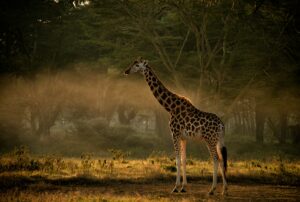
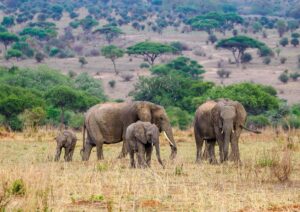
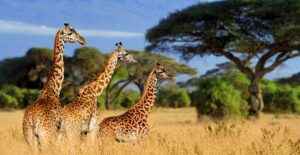
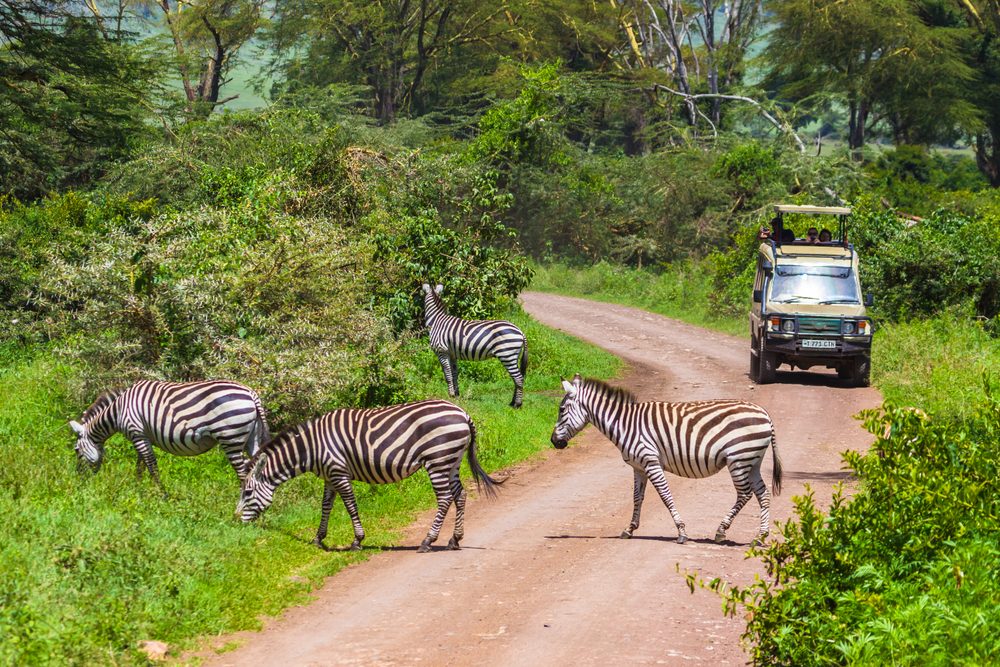
After breakfast, a morning game drive brings further wildlife into view, lion, elephant, giraffe, buffalo and a wide range of birdlife among them. After a lunch break, the afternoon turns to a genuine encounter with the Karamojong people, discovering how they live, relate and socialise, often the single most memorable day of the entire safari. You’ll return to your lodge afterward to rest ahead of tomorrow’s long journey back.
An early breakfast by 6am precedes checkout, and the journey back to Kampala or Entebbe Airport begins. Lunch is taken en route, with plenty of stopovers along the way at scenic spots to stretch your legs and relax before the safari comes to a close.
Pricing
Rates vary by season, with low season (March to May, and November) from $950 per person, and peak season (June to September, and December) from approximately $1,300 to $1,450 per person. Final rates confirmed at time of booking.
Why travel with us
We keep group sizes intentionally small so every guest gets the attention, flexibility, and authenticity a safari deserves.
Our guides are born from the landscapes they lead. Decades of knowledge, sharp eyes, and a genuine passion for East African wildlife.
From comprehensive pre-trip briefings to 24-hour in-country support, your safety and comfort are always our first consideration.
Every safari we operate contributes to wildlife conservation and local community projects across Kenya, Tanzania, and Uganda.
You might also like
A 3-day Uganda safari to Bwindi for gorilla trekking and Albertine Rift birdlife, followed by a canoe ride on Lake…
A 4-day Uganda primate safari combining Bwindi gorilla trekking, Lake Bunyonyi and Kibale chimpanzee trekking with the Bigodi swamp walk.…