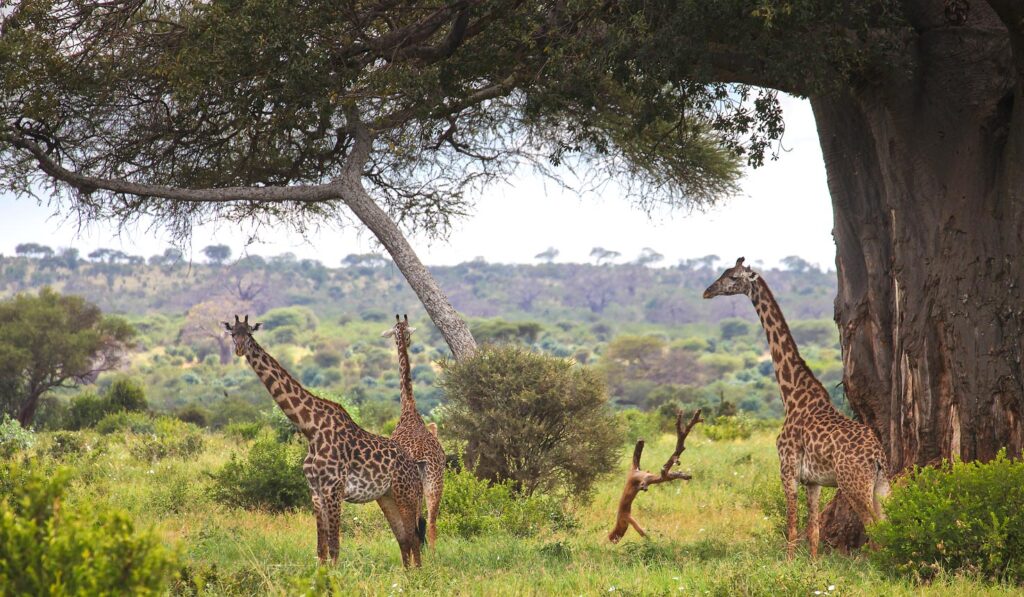
Beach to bush, in the space of a single flight. This itinerary begins on Zanzibar and ends deep in Tanzania’s northern circuit, covering all four of its headline parks, Serengeti, Ngorongoro, Lake Manyara and Tarangire, in five unhurried days.
A short internal flight delivers you directly to the Serengeti’s Seronera airstrip, game drives beginning almost immediately across a park that spans some 15,000 square kilometres and holds two million herbivores alongside dense predator populations. A second full day allows the northern Serengeti’s resident wildlife, elephant, hippo, giraffe and the rare oribi antelope among them, to properly reveal itself, before the journey descends into the Ngorongoro Crater, the world’s largest caldera and home to some 30,000 animals on its floor. Lake Manyara follows, a small park famous for tree-climbing lion and outstanding birdlife, before the safari closes in Tarangire, its baobab-lined plains supporting some of the largest elephant herds in northern Tanzania.
A comprehensive, privately guided introduction to Tanzania’s finest wildlife landscapes, made all the more memorable by beginning on the coast.
This itinerary suits travellers combining a Zanzibar beach stay with a full northern circuit safari, wanting to see all four of Tanzania's headline parks without the long overland drive from Arusha. It's especially well suited to first-time visitors who want the complete Tanzania story in one trip, and to anyone who'd rather spend an afternoon on a plane than a full day on the road getting into position for the safari to begin.
This safari performs well across most of the year, since Ngorongoro Crater and Lake Manyara don't depend on migration timing the way the Serengeti does. June to October and January to March are the strongest windows overall, the former for classic dry season conditions, the latter for the southern Serengeti's calving season, while April, May and November are quieter rather than genuinely poor.
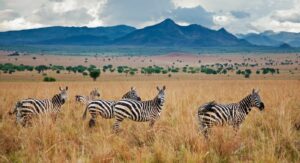
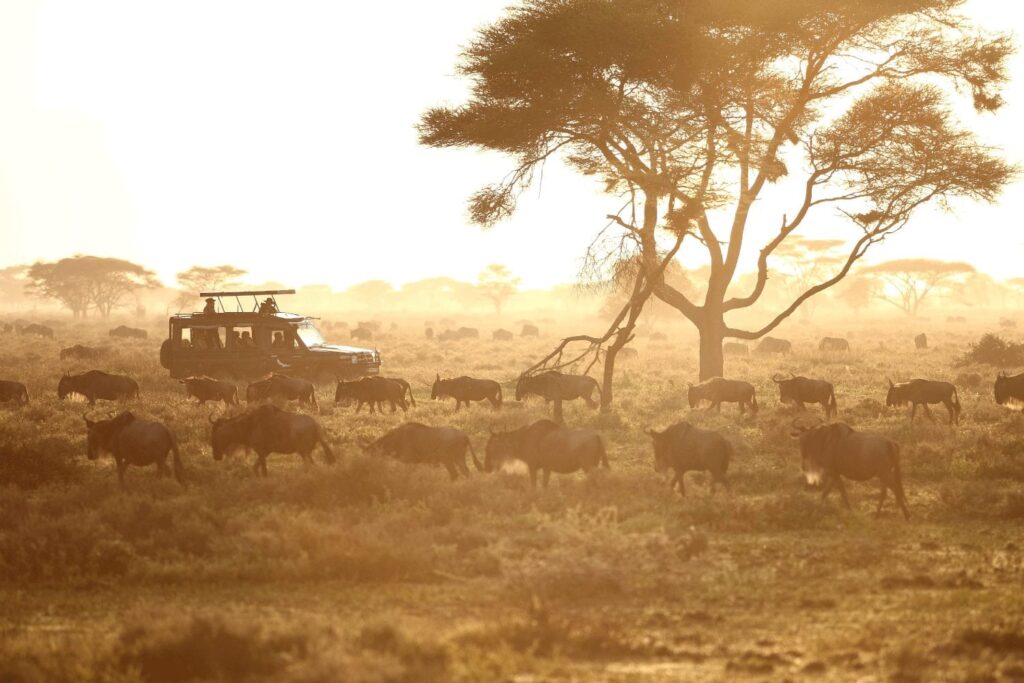
An internal flight carries you from Zanzibar Airport directly to the Serengeti, landing at Seronera airstrip, where your guide is waiting to begin the safari almost immediately with a game drive and picnic lunch. The Serengeti spans roughly 15,000 square kilometres of northern Tanzania and holds World Heritage status for good reason, home to over two million herbivores and dense predator populations, lion, leopard and cheetah among them, alongside some 500 recorded bird species. Visit during the dry season, and you’ll find the plains filled with massive migratory herds of wildebeest and zebra on the move.
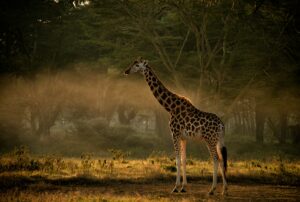
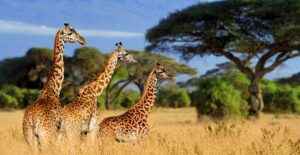
A full day of game driving continues across the Serengeti, your guide helping you track down as much of Africa’s Big Five as the day allows, lion, elephant, leopard, buffalo and, with some luck, rhino. Beyond the migratory herds, the northern Serengeti supports an abundance of resident wildlife of its own, elephant, hippo, giraffe, crocodile and the notably rare oribi antelope all present in good numbers, giving today a genuinely different character from the first day’s introduction.
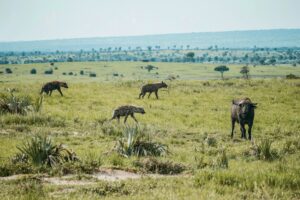
After an early breakfast, you’ll drive up to the gates of the Ngorongoro Conservation Area and descend into the crater itself, where a great number of animals live within its walls, lion, buffalo, zebra and hyena among them, with a genuine, if not guaranteed, chance of spotting rhinoceros. The crater is the world’s largest caldera, formed by an eruption some two to three million years ago, its floor sitting 1,800 metres above sea level and supporting around 30,000 animals alongside a rich variety of birdlife. After the game drive, you’ll continue on to Karatu for dinner and your overnight stay.
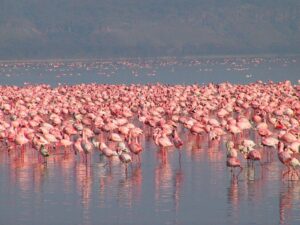
After breakfast, your guide collects you for the drive to Lake Manyara National Park, a picnic lunch in hand for a day of game viewing. Manyara covers a modest 330 square kilometres, up to 200 of which can be lake when water levels are high, and it punches well above its size, an excellent destination for birdwatching and a reliable spot for elephant, giraffe, zebra, baboon, warthog and buffalo, with a genuine, if not guaranteed, chance of spotting the legendary tree-climbing lion. Somewhere along the way, you’ll want to step out of the vehicle at the hippo pool to stretch your legs and watch the hippo up close. Dinner and your overnight stay follow in Karatu.
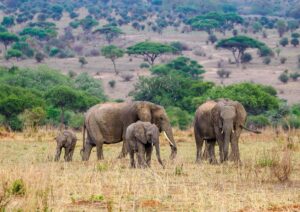
After breakfast, your guide collects you for the drive to Tarangire National Park, a picnic lunch included for a final day of game viewing. Tarangire takes its name from the Tarangire River, which crosses the park and provides the only water source for its wildlife during the dry season. The park is especially well known for its large elephant herds, its baobab trees and its tree-climbing African pythons. After the game drive, you’ll transfer to Arusha, where the safari comes to a close.
Pricing
Rates vary by season, with low season from $2,600 per person and peak season (June to October, and January to March) from approximately $3,400 to $3,700 per person, including the Zanzibar to Serengeti internal flight.
Why travel with us
We keep group sizes intentionally small so every guest gets the attention, flexibility, and authenticity a safari deserves.
Our guides are born from the landscapes they lead. Decades of knowledge, sharp eyes, and a genuine passion for East African wildlife.
From comprehensive pre-trip briefings to 24-hour in-country support, your safety and comfort are always our first consideration.
Every safari we operate contributes to wildlife conservation and local community projects across Kenya, Tanzania, and Uganda.
You might also like
A 3-day luxury Tanzania safari through Tarangire's elephant herds, the Ngorongoro Crater's Big Five, and the culture and waterfalls of…
A 5-day luxury northern Tanzania safari through Tarangire's elephants, the Ngorongoro Crater and Lake Manyara's tree-climbing lions.
A 4-day classic Tanzania safari through Tarangire's elephant herds, the Serengeti's endless plains and the Ngorongoro Crater.